You want a straight answer before you fall in love with a foster pit bull or bring one home from a shelter: are pitbulls bad for allergies, or is that just breed-stereotype noise? Here's the plan to find out using your own body's reaction, not a breed chart.
- Are pitbulls bad for allergies? No breed is allergen-free — dander and saliva proteins trigger reactions in sensitive people.
- A 2-week supervised trial with the actual dog beats any breed label for predicting your reaction.
- Skin prick or IgE blood testing at an allergist confirms a true dog allergy in 15 to 20 minutes.
- Track symptoms daily with an allergy journal before assuming a pit bull specifically is the trigger.
- Mild reactions like sneezing improve with HEPA filtration and weekly baths; asthma-level symptoms usually don't.
Why this matters
Pit bulls get blamed for a lot of things that aren't actually breed-specific, and allergies are one of them. The allergen isn't the pit bull's temperament or coat color — it's a protein (Can f 1) shed in dander, saliva, and urine that every dog produces, short-haired or not.
That means the real question isn't "are pitbulls bad for allergies" as a category. It's whether your immune system reacts to that protein at the concentration one specific dog produces. Cordova's Corner has spent years tracking Blue's health and reactions, and the same logic that applies to food allergies applies here: test the individual, not the breed.
Skipping this step costs money and heartbreak. Shelters see returned pit bulls specifically because a family assumed the short coat meant "safe" and skipped testing. Do the steps below before you sign adoption paperwork in 2026, not after.
What you'll need
- Access to an actual pit bull for a supervised visit — a shelter, foster home, or a friend's dog
- A symptom journal (paper or digital) to log reactions over 2 to 4 weeks
- An appointment with a board-certified allergist for skin prick or IgE blood testing
- A HEPA air purifier or access to one, for the home-exposure phase
- Antihistamine on hand (check with your doctor first) in case a test visit goes sideways
- 45 minutes to an hour for the first supervised exposure session
The steps
1. Get allergy tested before you get attached
An allergist can run a skin prick test or an IgE blood panel specifically for dog dander in about 15 to 20 minutes, and it tells you if you have a true dog allergy versus seasonal allergies that flare at the same time you're dog-shopping. This matters because a lot of people blame the pit bull for symptoms that are actually ragweed or dust mites.
Book this before you visit a shelter, not after you've already picked out a dog. Common mistake: skipping the test because symptoms seem mild — mild reactions to a stranger's dog can escalate once you're living with dander 24/7.
2. Do a supervised in-person exposure session
Spend 45 minutes to an hour in a closed room with the specific pit bull you're considering, petting and letting the dog get close to your face. Dog allergy symptoms — sneezing, itchy or watery eyes, hives, throat tightness — typically show up within 15 minutes to 2 hours of exposure, not days later.
Do this at the shelter or foster home, not your own house, so you're not stuck with lingering dander if the reaction is bad. Common mistake: doing a quick 5-minute meet-and-greet and calling it a clean test — that's not long enough for a true reaction to build.
3. Track symptoms for 2 to 4 weeks, not one visit
One good visit doesn't rule out a slow-building allergy. Log every interaction — date, duration, symptoms, severity on a 1-10 scale — for at least 2 to 4 weeks if you're fostering before adopting.
This is exactly the kind of pattern-spotting that separates a real dog allergy from a coincidence, and it's why a dedicated tracker beats a mental note. Common mistake: only writing down the bad days and forgetting the neutral ones, which skews your own data.


4. Reduce allergen load at home before deciding it's a dealbreaker
Run a HEPA air purifier in the main living space and bathe the dog once a week with a gentle, vet-approved shampoo — Can f 1 levels drop noticeably when dander is washed off regularly instead of building up on furniture. Wash your hands after petting and before touching your face.
This step separates people who have a mild sensitivity that's manageable from people who have a true allergy that isn't. Common mistake: assuming one clean-air fix will erase a moderate-to-severe reaction — it won't, and pushing through anyway just delays a harder decision.
5. Rule out the specific dog versus the breed
If you react to one pit bull but not another, the trigger might be that individual dog's saliva enzyme levels or a specific grooming product, not "pit bulls" as a category. Test with a second pit bull if you can, ideally one from a different household with different diet and grooming habits.
This is the step that actually answers whether pitbulls are bad for allergies for you personally, or whether one dog was just a bad match. Common mistake: writing off the entire breed after one reaction to one dog.
6. Talk to your allergist about a trial period
Some allergists will support a documented 30-day trial — foster the dog, keep tracking, and return for a follow-up test if symptoms persist. This gives you real longitudinal data instead of a single office visit snapshot.
Bring your 2-to-4-week symptom log to that follow-up; specific numbers on a 1-10 scale over multiple weeks tell the allergist far more than "I think I'm a little congested."
Troubleshooting
- Symptoms only after grooming or bath day, not during normal play — you may be reacting to a shampoo or product ingredient, not the dog itself. Switch products before ruling out the breed.
- Reaction hits within minutes but fades in under an hour — that's consistent with a mild sensitivity that HEPA filtration and regular bathing can usually manage long-term.
- Symptoms build slowly over the full 2 to 4 week trial instead of showing up fast — that's a sign of cumulative dander exposure, which points to a real allergy rather than a fluke.
- You react to this specific pit bull but not others you've met — treat it as a dog-specific reaction, not proof that pitbulls are bad for allergies across the board.
- Reaction includes wheezing, chest tightness, or throat swelling — stop the trial immediately and get emergency medical evaluation; this is beyond a manageable sensitivity.
- No reaction during visits but symptoms appear once the dog lives in your home full-time — dander accumulates in carpet, bedding, and HVAC systems over weeks, so re-test air filtration and cleaning frequency before assuming it's the dog's fault.
Tools and resources
- Board-certified allergist for skin prick or IgE blood testing
- HEPA air purifier rated for the square footage of your main living space
- A daily symptom log — the Cordova's Corner Allergy Tracker Kit above works if you want something pit-bull-specific and already formatted
- Vet-approved, fragrance-free dog shampoo for weekly bathing
- A shelter or foster program willing to support a supervised trial period in 2026
What to do next
Once you've confirmed the reaction is manageable, or confirmed it isn't tied to pit bulls specifically, shift focus to setting up a low-allergen routine long-term: grooming schedule, air filtration placement, and a bedding-washing routine. That's a separate project from testing, and it's worth planning before move-in day rather than scrambling after.
FAQ
Are pitbulls bad for allergies?
Pit bulls aren't inherently worse than other breeds for allergies — the trigger is the Can f 1 protein in dander and saliva that every dog produces. Reaction severity depends on the individual dog and your own sensitivity, not the breed label.
Is there a hypoallergenic pitbull?
No, there's no fully hypoallergenic pit bull or hypoallergenic dog of any breed. Short-haired breeds like pit bulls can shed less visible hair, but they still produce dander and saliva proteins that trigger allergic reactions.
How do I know if it's a dog allergy or seasonal allergies?
Dog allergy symptoms usually appear within 15 minutes to 2 hours of close contact and ease once you leave the dog's environment. Seasonal allergies persist regardless of dog contact and often track with pollen counts instead.
How long does a dog allergy skin test take?
A skin prick test for dog dander takes about 15 to 20 minutes at an allergist's office, with results readable within that same visit. An IgE blood panel takes longer to process but requires no waiting room time.
Can you build tolerance to pitbull dander over time?
Some people experience reduced sensitivity with consistent low-level exposure, but this varies widely and isn't guaranteed. A supervised 2 to 4 week trial period is the only reliable way to find out for your own body.
Do pitbulls shed a lot?
Pit bulls have a short, single coat and shed less visible hair than double-coated breeds, but shedding volume isn't the same as allergen level. Dander and saliva protein exposure can still trigger reactions even with minimal visible shedding.
Should I foster before adopting if I have allergies?
Yes — fostering for 2 to 4 weeks gives you real symptom data instead of a guess based on one shelter visit. Track symptoms daily during the foster period before signing permanent adoption paperwork.
What allergy symptoms mean I should stop the trial immediately?
Wheezing, chest tightness, or throat swelling are signs to end the trial right away and seek medical evaluation. Sneezing and itchy eyes are milder symptoms that often respond to HEPA filtration and regular bathing.
One last thing
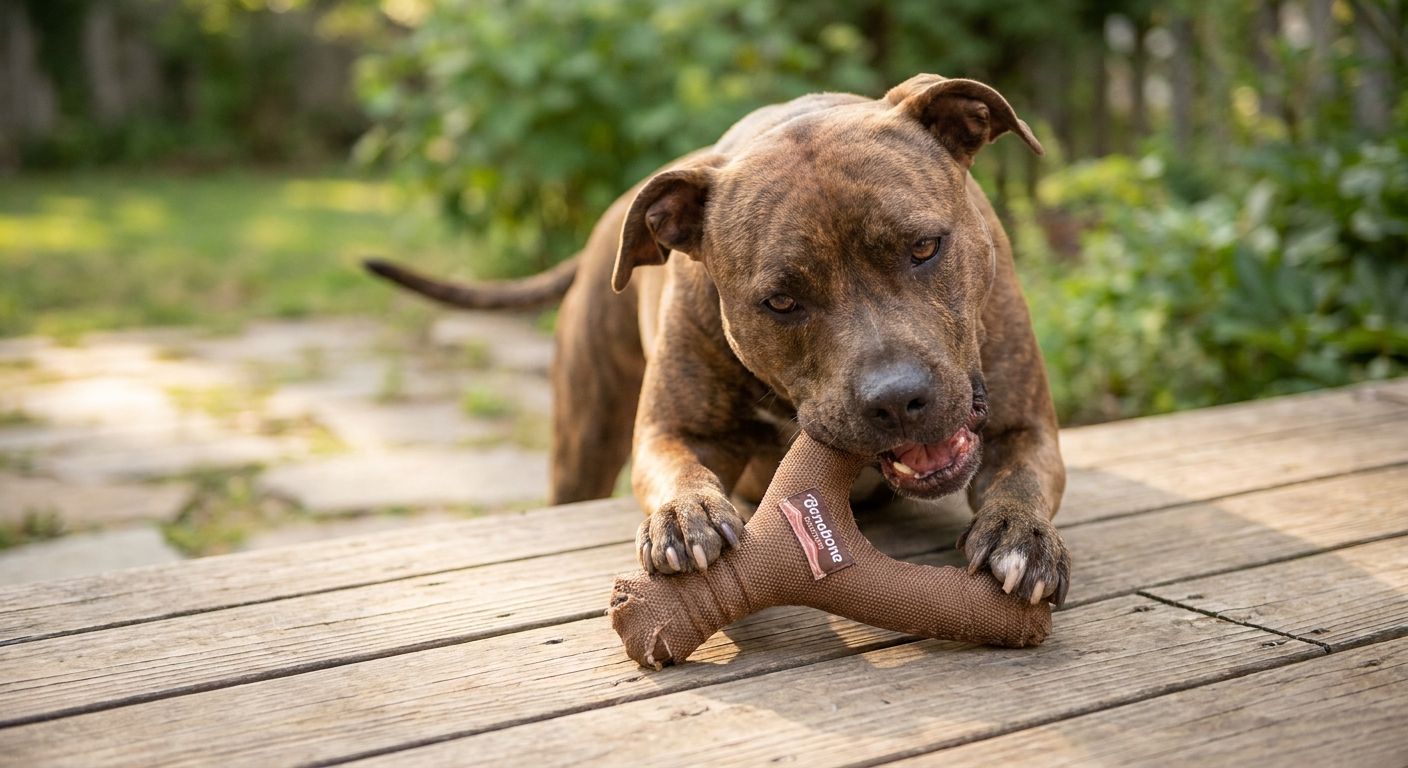
The detail most people miss in 2026: reactions can come from a dog's saliva left on toys and bedding just as easily as from airborne dander, so a "clean" living room test can still miss the real trigger hiding in a chew toy that's been in the dog's mouth for weeks. Test with the dog's actual gear, not just the dog.
Ask yourself the honest question before you sign anything: are pitbulls bad for allergies for you, specifically, based on your own tracked data — or did you skip the testing and just hope for the best? Do the work in steps 1 through 3 above, and you'll know for certain instead of guessing.